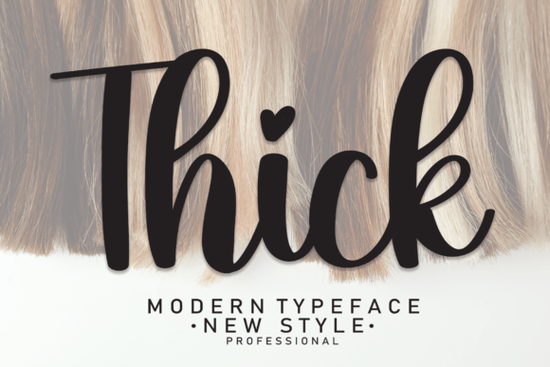
If you're looking for a bold, hand-drawn script font that holds up well at large sizes especially for wall art, wedding stationery, or product packaging Thick Font is worth your attention. Unlike many script fonts that thin out or lose character when scaled up, Thick Font was designed with weight and presence in mind. Its letters are intentionally full-bodied, with generous strokes and subtle texture that give them a tactile, almost chalk-painted feel even in digital use.
When does Thick Font work best?
It shines where clarity and personality matter at scale. Think of a framed quote on a living room wall: you want something legible from across the room but still warm and human not stiff or overly polished. Thick Font delivers that balance. It’s also a smart pick for small-business owners creating branded labels or packaging, since its strong silhouette reads quickly on jars, tags, or shipping boxes without needing extra effects like outlines or shadows.
Wedding designers often choose it for invitation suites where couples want a modern yet approachable vibe less formal calligraphy, more “hand-lettered by a friend who really gets design.” And if you’re making social media graphics for a boutique brand, Thick Font adds visual weight to headlines without competing with photography or illustrations.
How does it compare to other popular script fonts?
While Ashley Southine Font leans into elegant, flowing connections and delicate terminals, Thick Font keeps things grounded and confident. Quincy Font offers more variation in stroke contrast and a slightly vintage flair great for retro branding but may feel too ornate for minimalist packaging. Sunshine Font, with its bouncy rhythm and airy spacing, works beautifully for cheerful kids’ products or summer-themed designs, but lacks the density Thick Font brings to serious or statement-making projects.
That said, Thick Font isn’t meant to replace those styles it complements them. You might use handwriting fonts for body text or personal notes, then switch to Thick Font for headings or logos where impact matters most. It’s part of a thoughtful toolkit, not a one-size-fits-all solution.
What file formats and features come with it?
The download includes both OTF and TTF files, so it works smoothly in Adobe apps, Canva (via upload), Cricut Design Space, Silhouette Studio, and most desktop publishing tools. There are no ligatures or alternate characters just clean, consistent letterforms. That simplicity makes it reliable for cut files and print-ready layouts, especially when time is tight or consistency across platforms is key.
You’ll also get a basic set of uppercase and lowercase letters, numbers, and standard punctuation. No swashes or decorative flourishes just the core shapes, built to perform. If you need extra glyphs or multilingual support, it’s worth checking the product page details before purchase, since this version focuses on usability over expansion.
Who uses Thick Font regularly?
- Print-on-demand sellers who design mugs, tote bags, or greeting cards and need fonts that stay crisp at any size;
- Crafters using cutting machines for vinyl decals, wood signs, or embroidery lettering;
- Small business owners building cohesive branding for local bakeries, florists, or wellness studios;
- Photographers adding subtle watermarks or client-facing presentation titles;
- Hobbyists making personalized gifts like baby name prints or holiday ornaments.
One thing users consistently mention: Thick Font doesn’t require much tweaking. You won’t spend time adjusting tracking or kerning just to make it look balanced it’s built to sit well as-is. That saves real time, especially when juggling multiple client files or seasonal product launches.
If you’d like to see how it compares visually alongside other hand-drawn options, you can preview Thick Font, Ashley Southine Font, Quincy Font, and Sunshine Font side-by-side on Creative Fabrica’s site.
Before downloading: Try typing a short phrase in your design app first something like “Handmade with Love” or “Est. 2024” and preview it at three sizes: 36pt (for web headers), 120pt (for wall art), and 18pt (for labels). Notice how the spacing holds up, whether the curves feel natural next to your imagery, and if the tone matches your brand voice. If it feels right at all three, it’s likely a solid fit.
Get Started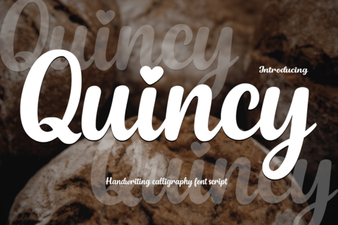 The Quincy Font for Readable & Creative Designs
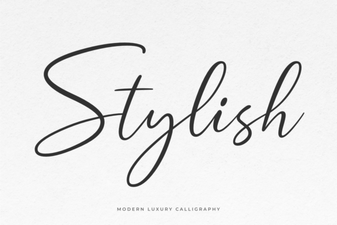 Creative Font Designs for Modern Projects
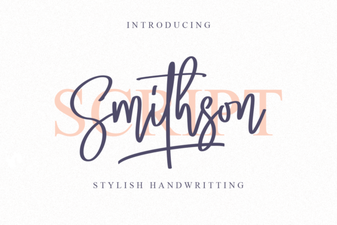 Smithson Font: Design Flexibility & Creative Uses
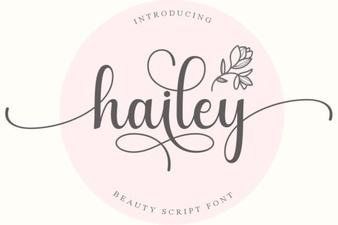 Hailey Font for Creative Designs & Branding Projects
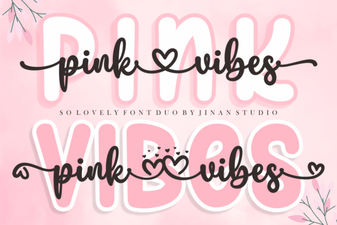 Pink Vibes Duo Font: Design with Creative Typography
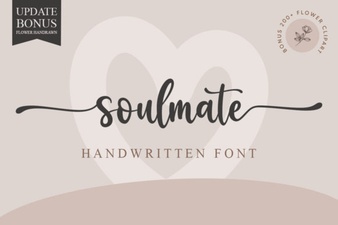 Craft Love Letters with a Soulmate Font