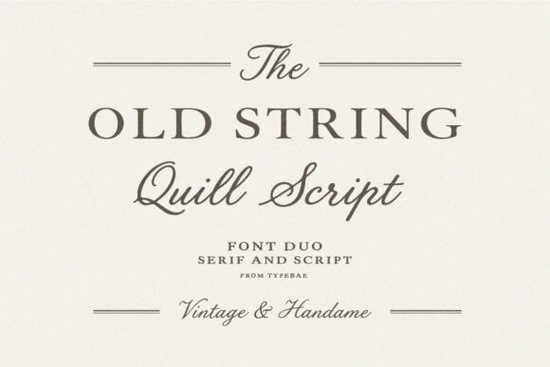
If you're looking for a font that feels both carefully crafted and quietly elegant something that brings warmth and heritage without seeming fussy you’ll likely appreciate Old String Font. It’s not just another vintage serif. It’s a thoughtfully paired duo: one part refined, structured serif; the other, a delicate quill-style script with natural rhythm and gentle contrast. That balance makes it especially useful for designers who need versatility say, pairing the serif for headings with the script for a subtle accent line in a wedding invitation or boutique packaging.
When does Old String Font work best?
This font shines where authenticity and quiet sophistication matter. Think hand-lettered-style logos for small-batch skincare brands, editorial layouts in indie magazines, or printed menus for cafés with a curated aesthetic. Because the serif has clean proportions and generous spacing, it remains highly legible even at smaller sizes unlike some overly ornate vintage fonts that blur when scaled down. The script, meanwhile, isn’t overly flourished, so it holds up well in digital mockups or embroidery digitizing previews.
It’s also a practical choice for print-on-demand sellers. You can use the serif for product labels (like artisanal tea tins or candle jars) and the script to add a personal touch “Hand-poured since 2021” or “Small batch • Locally sourced.” That kind of detail helps customers connect with your story, not just your product.
How does it compare to other serif options?
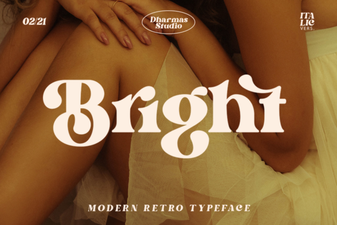
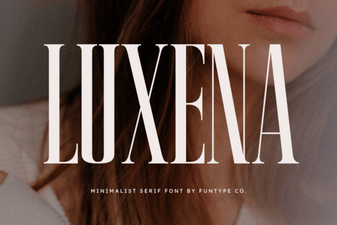
Not all serif fonts carry the same weight or mood. For example, Bright Font leans modern and confident great for tech-adjacent branding or bold apparel graphics. Luxena Font adds a bit more drama with its high-contrast strokes and sharp serifs, making it ideal for luxury cosmetics or premium stationery. And Ethereal Font offers softer edges and airier spacing, perfect for wellness brands or botanical-themed designs.
Old String Font, by contrast, sits comfortably between tradition and approachability. Its serif has enough character to stand alone but doesn’t dominate. Its script flows like handwriting not perfectly uniform, but intentionally expressive. That duality is why it pairs so naturally with textures like linen paper, muted ink colors, or soft watercolor backgrounds.
What file formats and features come with it?
You’ll get both OTF and TTF files, plus a bonus set of alternate characters and ligatures especially helpful if you’re designing invitations or monograms where subtle variation adds polish. There are no extra plugins or software dependencies. Just install and go. If you're using Canva, Adobe Express, or Affinity Designer, it works the same way as any system font no special setup needed.
One thing to keep in mind: because the script includes slight variations in stroke width and baseline rhythm, it reads best when used sparingly like for a tagline, signature, or short quote. Save the serif for body text or longer headlines where clarity matters most.
Where else might this style fit in your toolkit?
If you’ve used Old String Font, you may also find value in exploring complementary styles. Bright Font gives you crisp contrast for contemporary projects. Luxena Font adds gravitas for high-end branding. And Ethereal Font softens the tone for gentle, nature-inspired work.
None of these replace Old String Font they extend what you can do with it. You might layer Luxena for a bold logo lockup and switch to Old String’s script for the subheading. Or use Ethereal for blog headers and Old String’s serif for pull quotes. The key is matching voice to context, not chasing trends.
A quick checklist before you use it
- Test both fonts at actual print size especially the script in small caps or tight line spacing.
- Check how the serif renders on screen in your CMS or email builder (some browsers compress fine serifs).
- Use the alternates for names or initials it adds subtle distinction without overdesigning.
- Avoid stretching or skewing either font. Their charm comes from intentional proportions, not forced adjustments.
- If pairing with a sans serif, choose one with low contrast and open counters like Montserrat Light or Lato Regular to keep visual harmony.
Start simple: pick one project where you’d normally reach for a generic serif + script combo, and swap in Old String Font. See how the rhythm changes the feel not just of the text, but of the whole layout.
Try It Free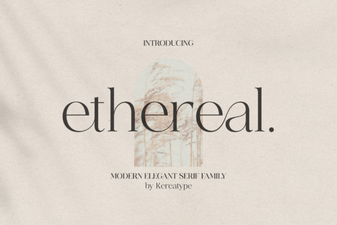 Creative Font Design & Unique Typography Projects
 Bright Font Designs for Enhanced User Experience
 Elevate Your Designs with Luxena Font
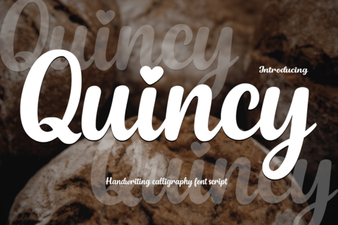 The Quincy Font for Readable & Creative Designs
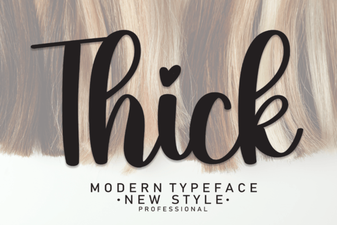 Thick Fonts for Strong Visual Impact
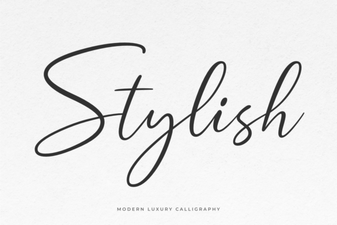 Creative Font Designs for Modern Projects